
Glaucoma Management/Diagnosis
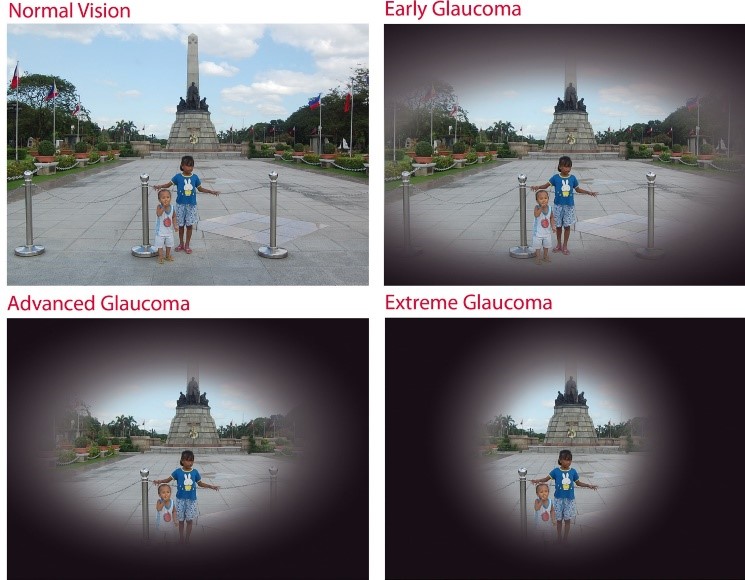
What is glaucoma?
Glaucoma is a disease that damages your eye’s optic nerve. It usually happens when fluid builds up in the front part of your eye. That extra fluid increases the pressure in your eye, damaging the optic nerve.
Glaucoma is a leading cause of blindness for people over 40 years. But blindness from glaucoma can often be prevented with early diagnosis and treatment.
Because glaucoma has no symptoms, it is important to see your ophthalmologist regularly, who will check for eye and vision changes.
Who is at risk for glaucoma?
Some people have a higher-than-normal risk of getting glaucoma.
This includes people who: are
- over age 40
- have family members with glaucoma
- have had an eye injury
- use long-term steroid medications
- have diabetes, high blood pressure, migraines, poor blood circulation or other health problems
How is glaucoma diagnosed?
The only sure way to diagnose glaucoma is with a complete eye exam.
Glaucoma has no symptoms in its early stages. In fact, half the people with glaucoma do not know they have it! And Glaucoma damage is permanent, therefore glaucoma screening is very essential for people above 40 years.
During a glaucoma exam, your ophthalmologist will:
1.Measure Your Eye Pressure
2.Your Optic Nerve For Damage
3.Take A Picture Of Your Optic Nerve
4.Inspect Your Eye’s Drainage Angle
Figure 1Intra ocular pressure measurement with Non Contact Tonometer
Figure 2 Precise Intraocular pressure measurement with Applanation Tonometer
Figure 3OPTIC DISC EXAMINATION WITH FINDUS CAMERA
Figure 4 Drainage angle grading with gonioscopy
4. Test Your Peripheral (Side) Vision
How is glaucoma treated?
Glaucoma damage is permanent—it cannot be reversed.
But medicine and surgery help to stop further damage.
To treat glaucoma, your ophthalmologist may use one or more of the following treatments. Medication
Glaucoma is usually controlled with eye drop medicine.
Laser Surgery.
There are two main types of laser surgery to treat glaucoma.
They help aqueous drain from the eye. These procedures are-
Trabeculoplasty-
This surgery is for people who have open-angle glaucoma, and can be used instead of or in addition to medications.
Iridotomy. This is for people who have angle-closure glaucoma.
Operating room surgery.
Some glaucoma surgery is done in an operating room. It creates a new drainage channel for the aqueous humor to leave the eye.
Trabeculectomy. This is where your eye surgeon creates a tiny flap in the sclera (white of your eye). He or she will also create a bubble (like a pocket) in the conjunctiva called a filtration bleb. Glaucoma is a silent thief of sight. Having regular eye exams can help your ophthalmologist find this disease before you lose vision.
Cataract surgery. For some people with narrow angles, removing the eye’s natural lens can lower eye pressure
Glaucoma drainage devices. Your ophthalmologist may implant a tiny drainage tube in your eye.